Appeal
Jaden McGrath 3/8/19
We shall now get into our next of the 12 Basic Principals of animation and that is appeal. Now appeal is a simple concept and that is that appeal is making your character, sets, and overall animation look interesting and intriguing to viewers. Appeal all depends on how you present your concepts, ideas, and emotional elevations to your audience because presentation is key. There are many examples of ways your animation can be appealing. For example, an adorable and cute rabbit has just as much appeal as a messed up and creepy evil clown. Appeal doesn't mean what you animate has to be adorable or funny, as long as it is pleasant looking to the viewers, anything you animate can be appealing to them.
Now what is interesting is that the other Basic Principals of Animation contribute to the concept of appeal. Like for example, by adding squash and stretch to a ball or a backward arm movement of anticipation on a baseball player, it actually makes your animation more interesting instead of bland, which gives it appeal. But also, just because your character has a lot of details does not mean it is appealing. It's nice to have those details but it doesn't automatically make your animation appealing. An example I've seen of this is two separate drawings of the Marvel character, Iron Man. One is a drawing of Iron Man from the MCU (Marvel Cinematic Universe) with tons of detail on the suit and the other is a drawing of Iron Man from the comics with less details and sporting the same pose as the first drawing. You would think that the first drawing would have more appeal but drawing two actually has more appeal because it has dynamics unlike drawing one.
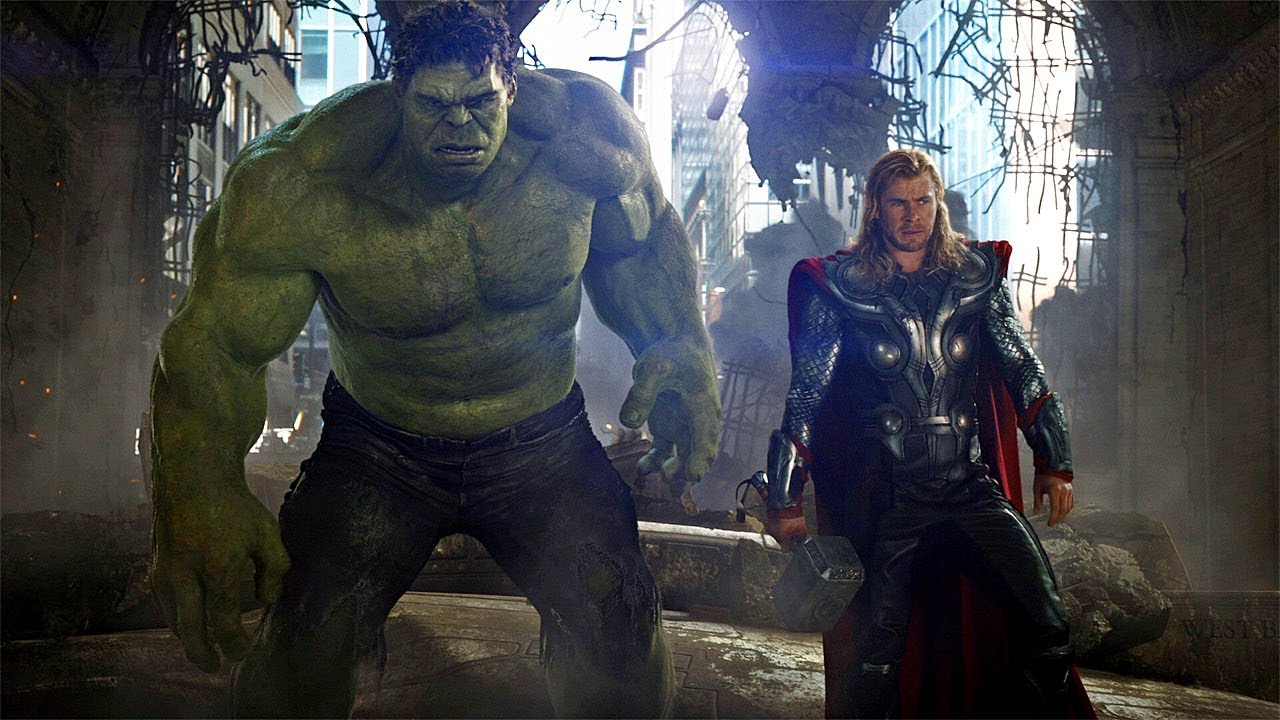
Also appeal doesn't always have to be realistic It can be but it doesn't have to. Appeal can be both a realistic animation and an exaggerated one. Another example I've seen was strangely enough from another Marvel character, The Incredible Hulk from the first Avengers movie back in 2012. Remember the scene during the epic climax with the fight against the Chitari where after Hulk and Thor take out a few of them, Hulk hilariously punches Thor which makes him go flying from the impact? Well that scene actually only three frames long and although it wasn't realistic, it was still massively appealing. Another example of this is the 3rd act of the Disney animated classic, Bambi. In the scene, the character hopper runs away from an attractive bunny and literally freezes in mid-air once he realized the bunny was attractive. With Bambi's mostly realistic looking 2-D animation, you wouldn't expect this to be appealing at all, but it actually. Appeal is a basic concept that may take time to perfect, but trust me it will be quite beneficial to your animations for sure.
Oh my god, these articles about the 12 Basic Principals of Animation keep getting better and better with each one I read. It could just be all the nerdy references in it like using examples from The Avengers, Bambi, and even art of Iron Man, but I think this is my new favorite of the articles. Not to mention that the use of these references made me more interested in what I was reading. I even learned that the scene where Hulk punches Thor was only three frames long. I had no idea it was that short of frames to make that hilarious come to life.
I do have one question but it really doesn't have to do with the concept of appeal but more about an example the article contained. If the scene where Hulk punches Thor was only three frames, then how many frames were used in the scene where Hulk tosses Loki around inside Stark Tower? You know, the scene where he whips him around and then walks away saying, "Puny god."? Other than that, I don't have any other questions. I also completely agree with everything the article said for the same reason as all the other articles about the 12 Basic Principals of Animation. I agree with it because it was made by professionals that have way more experience with the whole animation thing than I currently do. Appeal is extremely important to animation because Appeal is what draws an audience in and with out that, it would just be dull and bland. Something that would not catch anyone's attention for sure.

We shall now get into our next of the 12 Basic Principals of animation and that is appeal. Now appeal is a simple concept and that is that appeal is making your character, sets, and overall animation look interesting and intriguing to viewers. Appeal all depends on how you present your concepts, ideas, and emotional elevations to your audience because presentation is key. There are many examples of ways your animation can be appealing. For example, an adorable and cute rabbit has just as much appeal as a messed up and creepy evil clown. Appeal doesn't mean what you animate has to be adorable or funny, as long as it is pleasant looking to the viewers, anything you animate can be appealing to them.
Now what is interesting is that the other Basic Principals of Animation contribute to the concept of appeal. Like for example, by adding squash and stretch to a ball or a backward arm movement of anticipation on a baseball player, it actually makes your animation more interesting instead of bland, which gives it appeal. But also, just because your character has a lot of details does not mean it is appealing. It's nice to have those details but it doesn't automatically make your animation appealing. An example I've seen of this is two separate drawings of the Marvel character, Iron Man. One is a drawing of Iron Man from the MCU (Marvel Cinematic Universe) with tons of detail on the suit and the other is a drawing of Iron Man from the comics with less details and sporting the same pose as the first drawing. You would think that the first drawing would have more appeal but drawing two actually has more appeal because it has dynamics unlike drawing one.
Also appeal doesn't always have to be realistic It can be but it doesn't have to. Appeal can be both a realistic animation and an exaggerated one. Another example I've seen was strangely enough from another Marvel character, The Incredible Hulk from the first Avengers movie back in 2012. Remember the scene during the epic climax with the fight against the Chitari where after Hulk and Thor take out a few of them, Hulk hilariously punches Thor which makes him go flying from the impact? Well that scene actually only three frames long and although it wasn't realistic, it was still massively appealing. Another example of this is the 3rd act of the Disney animated classic, Bambi. In the scene, the character hopper runs away from an attractive bunny and literally freezes in mid-air once he realized the bunny was attractive. With Bambi's mostly realistic looking 2-D animation, you wouldn't expect this to be appealing at all, but it actually. Appeal is a basic concept that may take time to perfect, but trust me it will be quite beneficial to your animations for sure.
Oh my god, these articles about the 12 Basic Principals of Animation keep getting better and better with each one I read. It could just be all the nerdy references in it like using examples from The Avengers, Bambi, and even art of Iron Man, but I think this is my new favorite of the articles. Not to mention that the use of these references made me more interested in what I was reading. I even learned that the scene where Hulk punches Thor was only three frames long. I had no idea it was that short of frames to make that hilarious come to life.
I do have one question but it really doesn't have to do with the concept of appeal but more about an example the article contained. If the scene where Hulk punches Thor was only three frames, then how many frames were used in the scene where Hulk tosses Loki around inside Stark Tower? You know, the scene where he whips him around and then walks away saying, "Puny god."? Other than that, I don't have any other questions. I also completely agree with everything the article said for the same reason as all the other articles about the 12 Basic Principals of Animation. I agree with it because it was made by professionals that have way more experience with the whole animation thing than I currently do. Appeal is extremely important to animation because Appeal is what draws an audience in and with out that, it would just be dull and bland. Something that would not catch anyone's attention for sure.

I mean, if you can find the scene, I think you should count :o). You know, For Science. Yeet...
ReplyDelete