Pokemon: Detective Pikachu
Jaden McGrath 5/14/19
In yet another film adaptation of not only a video game series, but also an animated series comes Warner Brothers newest film, Pokemon: Detective Pikachu. In this half live-action and half animated adaptation of the popular video game and animated franchise, it follows a boy named Tim Goodman played by Justice Smith who comes across a talking and intelligent Pikachu voiced by Ryan Reynolds who seeks to be a detective. Together the two of them will go on both a mystery and a journey to try and find Tim's long lost father. When animating the multiple Pokemon for the film, the animators found it to be a challenge when it comes to bringing these popular creatures from 2-D anime animation to CGI 3-D animation in the real world. Especially since the Pokemon have stuck to a one specific design for around two decades of their existence. This process took about more than a thousand digital artists from all across the world to work for three years in order to make sure the look of the Pokemon were not only good, but also authentic.
Right off the bat, the animators ran into the problem that the design of some of the Pokemon were physically impossible. For example, one of the Pokemon named Gyarados has a gaping jaw that takes up most of the characters body which doesn't leave much room for the character to have organs and another Pokemon named Lickiung has a tongue that is just way too big for its mouth. In total, about 25 Pokemon had to be cut from the film, including a Pokemon named Sawk because the animators couldn't decide on the texture of his judo-inspired outfit. but the team ended up settling on having 65 different kind of Pokemon appear in the film. But the Pokemon Company had the priority to have all of the Pokemon characters keep the charm that they have had for years. They were very concerned that the Pokemon would appear dirty or even fall into the uncanny valley. Because of this, multiple sketches of the Pokemon had to be drawn in order to perfectly mix the cute and charming "Kawaii" and the gritty realism in which the film is set in. At one point, the animators gave the character of Jigglypuff pig-like skin until having to changing it into short-chopped hair.
The main Pokemon of the film, Pikachu himself, even went through multiple changes to make sure that he looked both good and authentic. His yellow fur would grow, shrink, and even fluctuate in color. The animators would even use actual fur as a reference to see how it reacted to natural light like sun light. But easily one of the most difficult Pokemon to portray in the film was without a doubt, Mr. Mime, who is a mute humanoid Pokemon that relies on miming for communication. Apparently the Okemon Company didn't want the character to appear in the film on account of his creepiness in live-action, but director Rob Letterman who has previously directed Gulliver's Travels (2010) and Goosebumps (2015) felt that the character was essential for the interrogation scene in the film. So in order to bring the character to life in the film, the animators came up with the idea to make every surface of the character feel like a toy. They gave him foam dodgeball for joints, hair tufts made of a Nerf-like materials, and inflatable gloves for hands. Once all of the designs for all of the Pokemon were finally finished, a puppeteering company in London was assigned to create the 3-D models and them operating them during filming of the film.
I really enjoyed reading and summarizing this article, especially because I'm actually going to watch the film tomorrow night. So tomorrow I'm gonna see if the difficult process of bringing these little creatures to life in CGI animation paid off. But back on the article, I actually had no idea that it was that hard for the animators to make the Pokemon characters authentic to the original designs. I just imagined that the animators just used the original artwork for the characters as a reference and worked from there. But I didn't know that they had to use actual tufts of hair in order to give Pikachu his yellow fur in the film. So I guess I can consider that something new that I learned.
I actually do have a few questions for this article mostly because it could've gone into more detail on the actual animating portion rather than the concept art part. For example, if Mr. Mime was one of the more difficult characters to design for the film, what was the easiest Pokemon to design? Also what kind of hair was used as a reference for Pikachu's fur? As for if I disagree, I really don't because I do feel like taking characters that are used to being seen in 2-D animation and turning into 3-D animated creatures could be very difficult. It just happened to be much more difficult than I thought originally. This topic is important to the field of animation because it serves as a good reference to those who want to do things like this in the future. Say if somebody ever gets attached to making a half live action and half animated adaptation of like Chip N Dale's Rescue Rangers or Adventure Time or something, they can use this as a reference to make sure that the designs are both good and authentic, just like the animators on this film did.

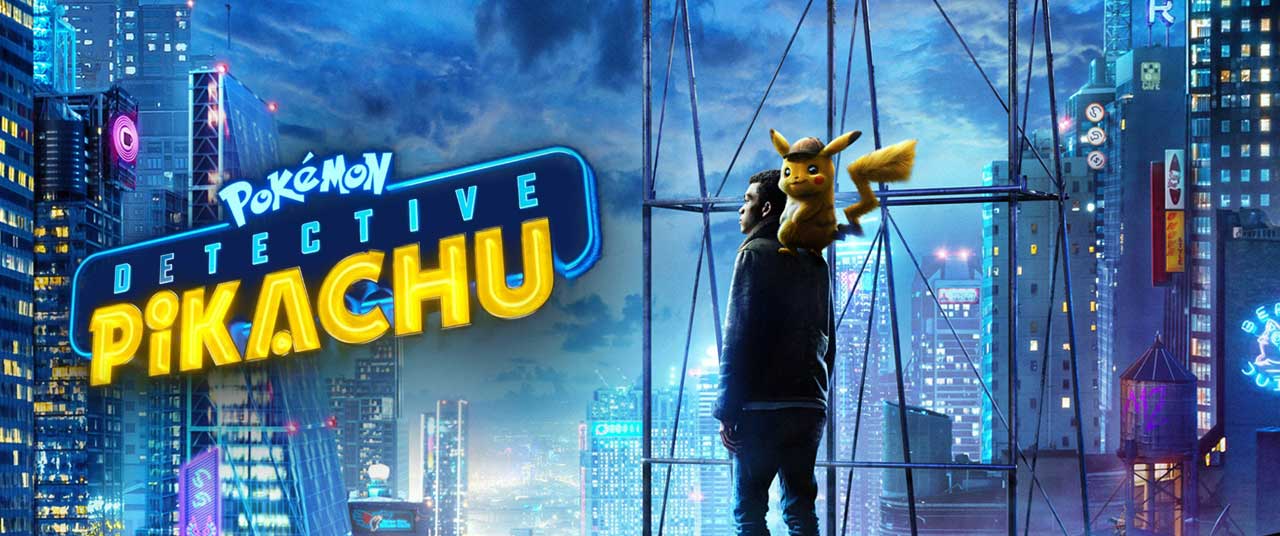
In yet another film adaptation of not only a video game series, but also an animated series comes Warner Brothers newest film, Pokemon: Detective Pikachu. In this half live-action and half animated adaptation of the popular video game and animated franchise, it follows a boy named Tim Goodman played by Justice Smith who comes across a talking and intelligent Pikachu voiced by Ryan Reynolds who seeks to be a detective. Together the two of them will go on both a mystery and a journey to try and find Tim's long lost father. When animating the multiple Pokemon for the film, the animators found it to be a challenge when it comes to bringing these popular creatures from 2-D anime animation to CGI 3-D animation in the real world. Especially since the Pokemon have stuck to a one specific design for around two decades of their existence. This process took about more than a thousand digital artists from all across the world to work for three years in order to make sure the look of the Pokemon were not only good, but also authentic.
Right off the bat, the animators ran into the problem that the design of some of the Pokemon were physically impossible. For example, one of the Pokemon named Gyarados has a gaping jaw that takes up most of the characters body which doesn't leave much room for the character to have organs and another Pokemon named Lickiung has a tongue that is just way too big for its mouth. In total, about 25 Pokemon had to be cut from the film, including a Pokemon named Sawk because the animators couldn't decide on the texture of his judo-inspired outfit. but the team ended up settling on having 65 different kind of Pokemon appear in the film. But the Pokemon Company had the priority to have all of the Pokemon characters keep the charm that they have had for years. They were very concerned that the Pokemon would appear dirty or even fall into the uncanny valley. Because of this, multiple sketches of the Pokemon had to be drawn in order to perfectly mix the cute and charming "Kawaii" and the gritty realism in which the film is set in. At one point, the animators gave the character of Jigglypuff pig-like skin until having to changing it into short-chopped hair.
The main Pokemon of the film, Pikachu himself, even went through multiple changes to make sure that he looked both good and authentic. His yellow fur would grow, shrink, and even fluctuate in color. The animators would even use actual fur as a reference to see how it reacted to natural light like sun light. But easily one of the most difficult Pokemon to portray in the film was without a doubt, Mr. Mime, who is a mute humanoid Pokemon that relies on miming for communication. Apparently the Okemon Company didn't want the character to appear in the film on account of his creepiness in live-action, but director Rob Letterman who has previously directed Gulliver's Travels (2010) and Goosebumps (2015) felt that the character was essential for the interrogation scene in the film. So in order to bring the character to life in the film, the animators came up with the idea to make every surface of the character feel like a toy. They gave him foam dodgeball for joints, hair tufts made of a Nerf-like materials, and inflatable gloves for hands. Once all of the designs for all of the Pokemon were finally finished, a puppeteering company in London was assigned to create the 3-D models and them operating them during filming of the film.
I really enjoyed reading and summarizing this article, especially because I'm actually going to watch the film tomorrow night. So tomorrow I'm gonna see if the difficult process of bringing these little creatures to life in CGI animation paid off. But back on the article, I actually had no idea that it was that hard for the animators to make the Pokemon characters authentic to the original designs. I just imagined that the animators just used the original artwork for the characters as a reference and worked from there. But I didn't know that they had to use actual tufts of hair in order to give Pikachu his yellow fur in the film. So I guess I can consider that something new that I learned.
I actually do have a few questions for this article mostly because it could've gone into more detail on the actual animating portion rather than the concept art part. For example, if Mr. Mime was one of the more difficult characters to design for the film, what was the easiest Pokemon to design? Also what kind of hair was used as a reference for Pikachu's fur? As for if I disagree, I really don't because I do feel like taking characters that are used to being seen in 2-D animation and turning into 3-D animated creatures could be very difficult. It just happened to be much more difficult than I thought originally. This topic is important to the field of animation because it serves as a good reference to those who want to do things like this in the future. Say if somebody ever gets attached to making a half live action and half animated adaptation of like Chip N Dale's Rescue Rangers or Adventure Time or something, they can use this as a reference to make sure that the designs are both good and authentic, just like the animators on this film did.

Comments
Post a Comment